



Think You Know Where Money Comes From? Think Again
Most people never question where their money actually originates. When withdrawing cash from an ATM or receiving a paycheck, it appears as if money is simply there, ready for use. But behind the scenes, a complex and largely invisible process involving the Federal Reserve and commercial banks determines how that cash reaches the public. Understanding this process is critical for identifying financial vulnerabilities and building strategies that protect real wealth.
The Federal Reserve Does Not Sell Cash at Face Value
The Federal Reserve serves as the central bank of the United States. It manages the nation's money supply, steers economic policy, and prints physical currency. However, contrary to popular belief, the Fed does not sell printed money to banks at full value. Commercial banks do not pay $100 for a $100 bill. Instead, they pay only the cost of printing it, usually between 3 and 10 cents per note. Often, this minimal cost is covered by the Fed's own operating budget.
So how do banks receive the cash they distribute?
Reserve Accounts: The Digital Foundation of the Banking System
Every commercial bank holds a reserve account at the Federal Reserve. These accounts are not accessible to the public and do not function like personal checking or savings accounts. Instead, they are used to move money between banks, settle large transactions, and exchange digital reserves for physical cash.
When a bank needs to stock ATMs or prepare for payroll, it submits a request to the Fed. The requested amount is deducted from the bank's reserve account, and the physical cash is delivered by armored truck. No customer funds are withdrawn in this process. It is simply a conversion of digital reserves into printed currency.
These digital reserves are not cash. They are electronic entries created by the Federal Reserve and used solely within the banking system. Though invisible to the general public, they are essential to the movement and management of money within the financial sector.
Where Do Reserves Come From?
The reserves held by commercial banks are created through a process known as Open Market Operations. This is one of the most powerful tools the Federal Reserve uses to control the money supply and influence the economy.
When the Fed wants to stimulate economic activity, it purchases U.S. Treasury securities from banks and financial institutions. In return, it credits those banks' reserve accounts with newly created digital dollars. This process increases liquidity, encourages lending, and typically lowers interest rates.
To slow down inflation, the Fed does the opposite. It sells Treasury securities. Banks pay for these using reserves, effectively removing money from the financial system.
This mechanism allows the Federal Reserve to expand or contract the money supply without printing new physical cash. It is a cycle of buying and selling that operates entirely within the central banking network.
A System Based on Trust, Not Stability
Once the mechanics of money creation are understood, it becomes clear that the entire financial system rests on digital entries, policy decisions, and public confidence. There is no tangible backing behind the majority of money in circulation.
Cash is printed on demand. Reserves are created with a keystroke. The system functions only because people believe it will continue to do so. This introduces significant risk.
For those relying solely on fiat currency, inflation, policy changes, and economic instability can quickly erode savings and purchasing power. These risks are often not recognized until it is too late.
Why Physical Gold and Silver Are Essential
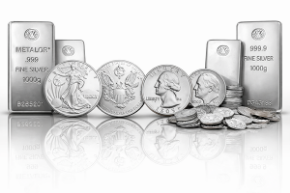
This is why tangible assets like physical gold and silver are central to sound money strategies. Unlike fiat currency, gold and silver are not digital, cannot be printed, and do not depend on the decisions of central bankers.
Gold has maintained its value through wars, financial crises, and the collapse of numerous currency systems. It is real, physical, and historically reliable. As modern monetary systems show increasing signs of stress, gold and silver remain the foundation of wealth preservation.
Tangible assets offer protection from inflation, policy-driven devaluation, and systemic instability. They are time-tested tools for economic collapse preparation and long-term financial security.
Conclusion: Understanding Money Brings Power
Knowing how the financial system truly works reveals its fragile foundations. The money supply is shaped by central bank decisions and digital movements that most people never see. Physical currency is only the end result of a long, hidden process involving reserves, policy, and trust.
This knowledge empowers individuals to make better financial choices. Those who recognize the system's vulnerabilities can protect their purchasing power and secure their future through real, tangible assets.
Take the Next Step Toward Financial Security
Zang Enterprises specializes in building personalized sound money strategies based on physical gold and silver. If you are ready to move beyond fiat currency and protect your wealth, connect with a strategy specialist today.
Reach out to Zang Enterprises and start building your financial shield now.

